
How it works · Maai Mahiu
From residue to heat, in a closed loop.
Our briquettes are made from sawdust alone. Every batch follows the same path through our yard: recovered, dried, tested, pressed and delivered, and the value goes back to the sawmills it came from.
Our other six biomass fuels are supplied as they are. See all product lines
Loop · Circularity
The loop: residue to heat, and back again.
Circularity is easiest to see as a loop. Sawdust leaves the sawmill as waste and returns as income; heat leaves our yard as fuel and replaces firewood.
Trusting the process.
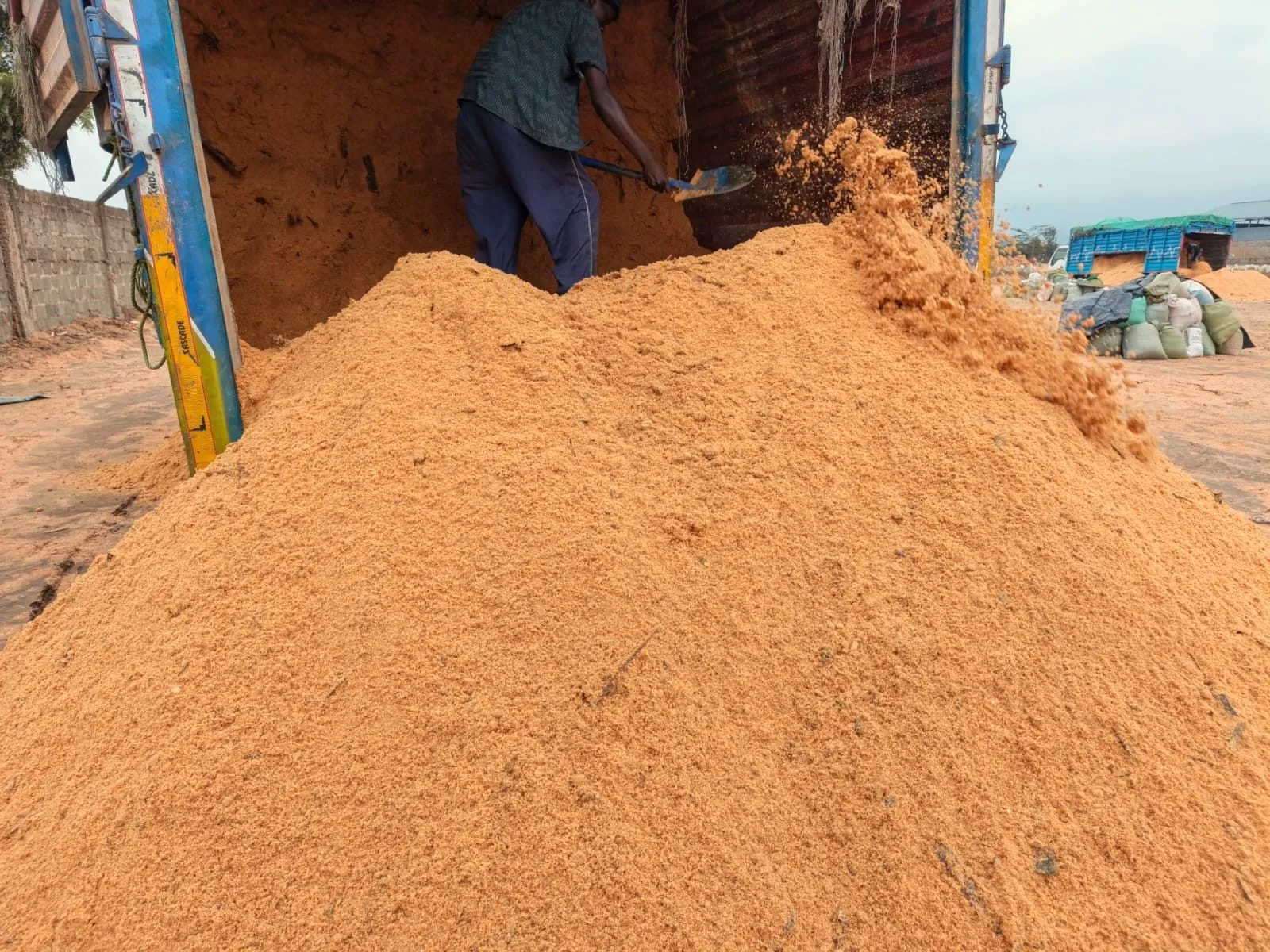
- 1 Sawmills Sawdust that would be burned or dumped is bought from sawmills along Kenya’s western corridor. Residue
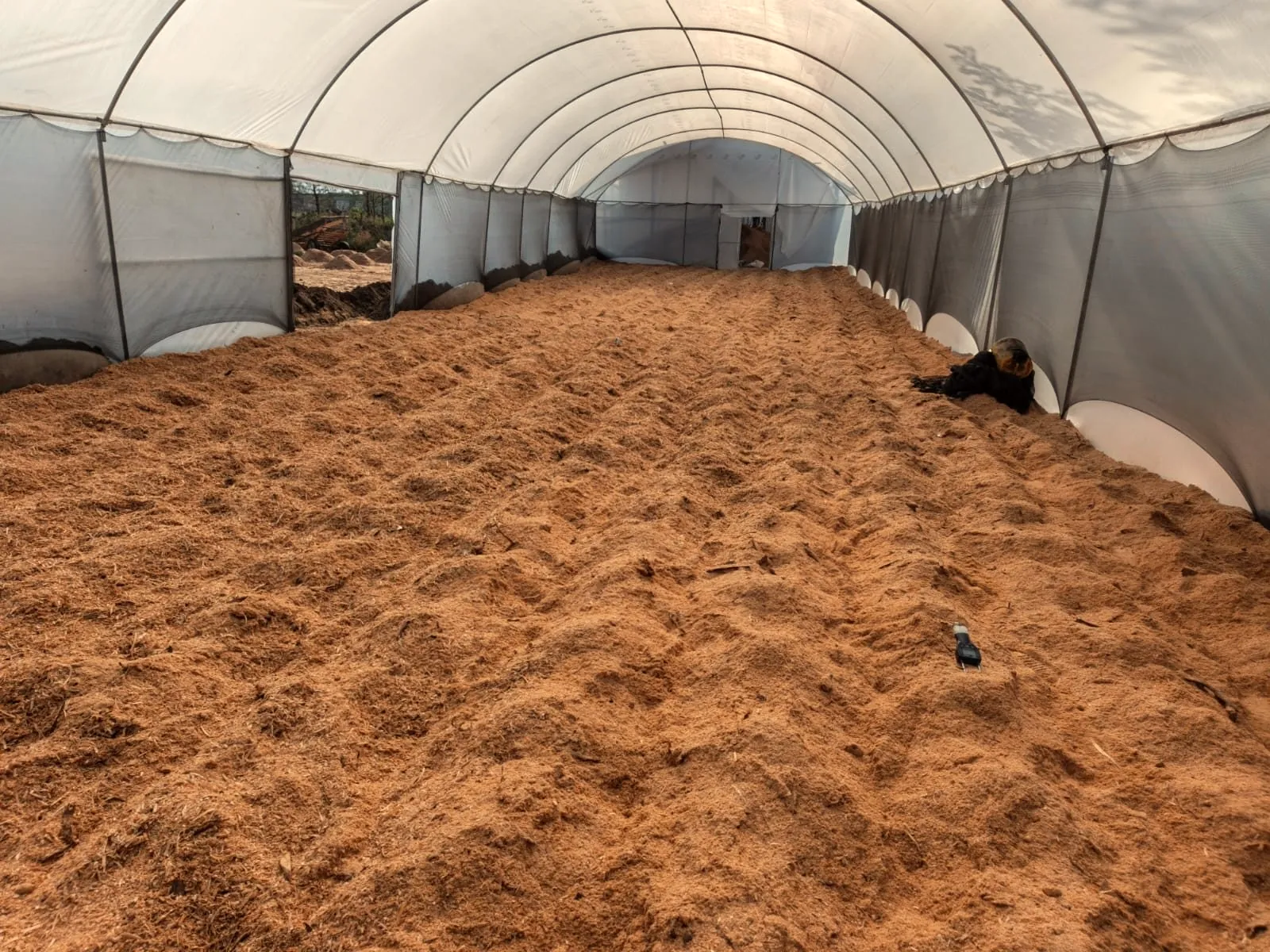
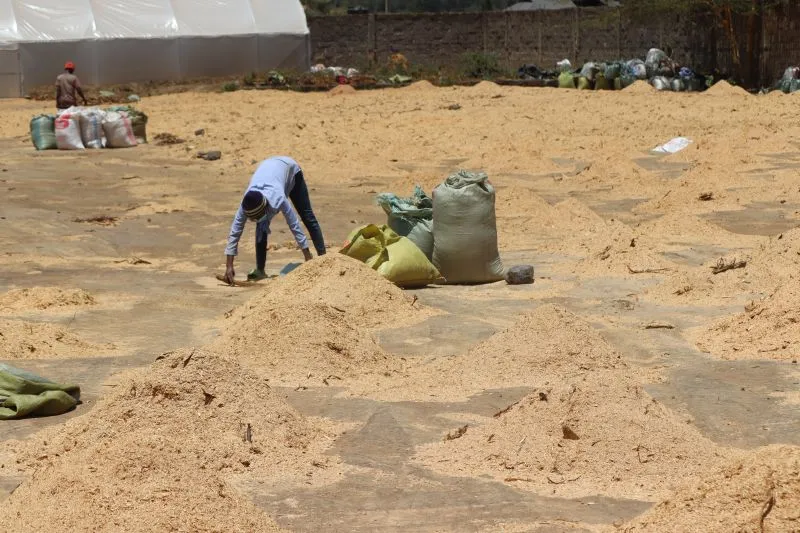
- 2 Sun drying Sawdust is spread on open sun-drying beds and turned by hand until the moisture escapes, with a solar tunnel alongside. Every batch is then checked with a moisture meter. Dry
- 3 Briquetting Dried sawdust, and only sawdust, is compacted into high-density briquettes in Maai Mahiu. Densify
- 4 Industrial boilers Briquettes replace firewood in boilers, kilns and furnaces at factories, schools and hotels. Heat
- 5 Back to the source Buying sawdust creates income for the sawmills that supply us, so the loop begins again. Return
- And the loop begins again at the sawmill.
Journey · Stage by stage
Step by step: follow a tonne through our yard.
Swipe through each stage, photographed at our site in Maai Mahiu.
-
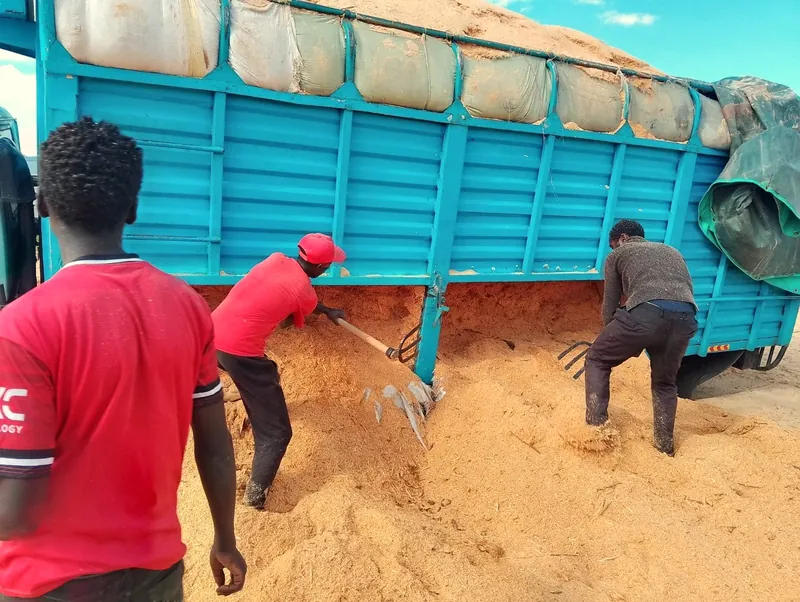 1Residue
Sawmills
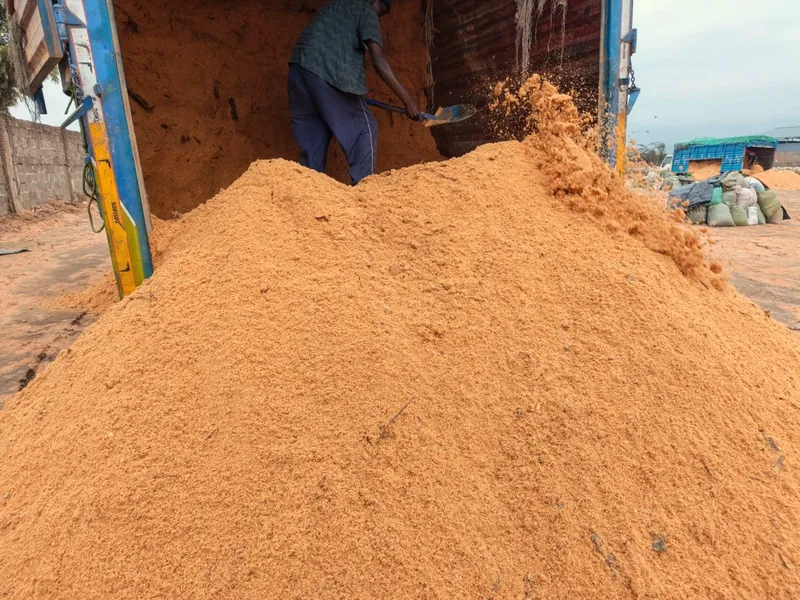
Sawdust that would be burned or dumped is bought from sawmills along Kenya’s western corridor.
-
2Dry
Sun drying
Sawdust is spread on open sun-drying beds and turned by hand until the moisture escapes, with a solar tunnel alongside. Every batch is then checked with a moisture meter.
-
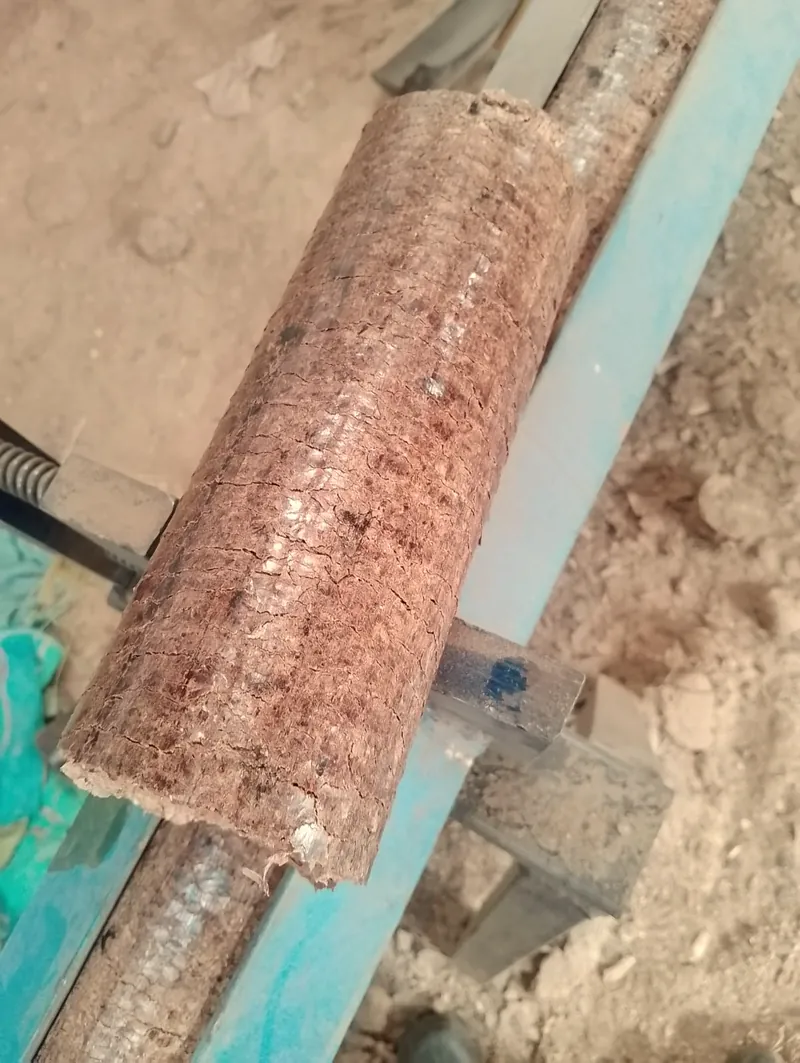 3Densify
Briquetting
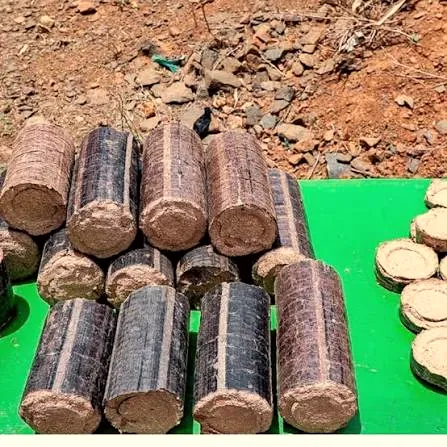
Dried sawdust, and only sawdust, is compacted into high-density briquettes in Maai Mahiu.
-
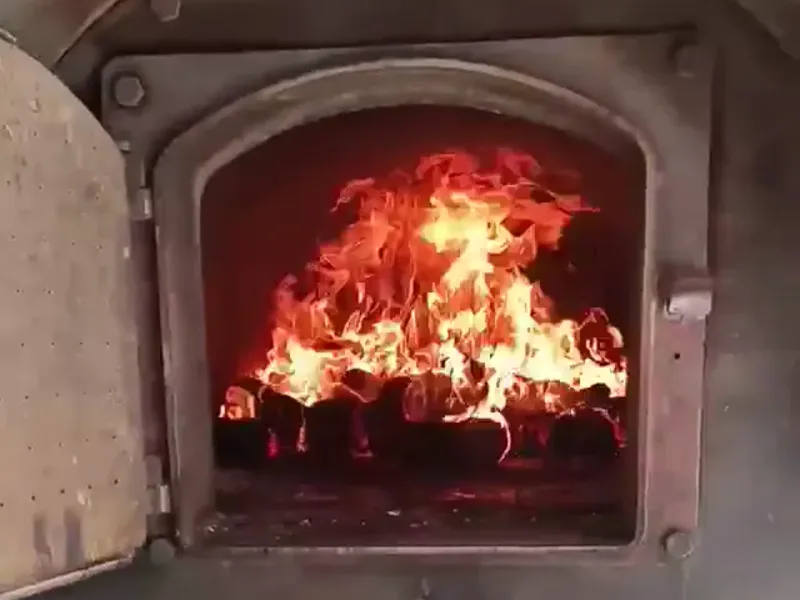 4Heat
4HeatIndustrial boilers
Briquettes replace firewood in boilers, kilns and furnaces at factories, schools and hotels.
-
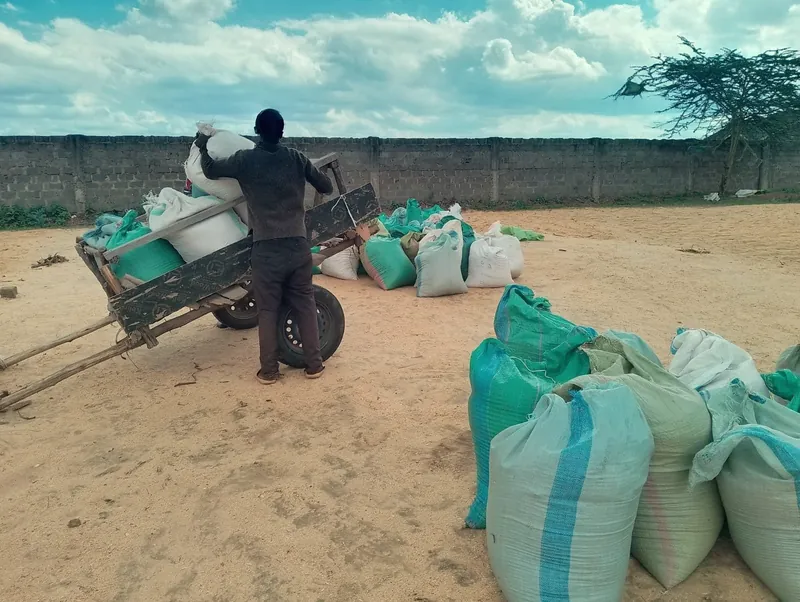 5Return
Back to the source
Buying sawdust creates income for the sawmills that supply us, so the loop begins again.
Material · Transformation
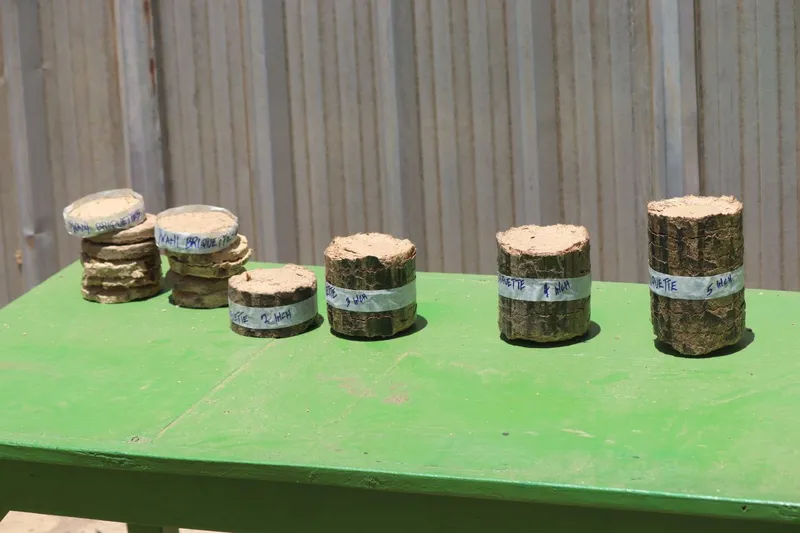
Before and after: loose sawdust into dense fuel.
Drag across to see sawdust become finished briquettes: denser, drier and easier to store, move and feed into a boiler than loose sawdust or the firewood they replace.
Quality · Before dispatch
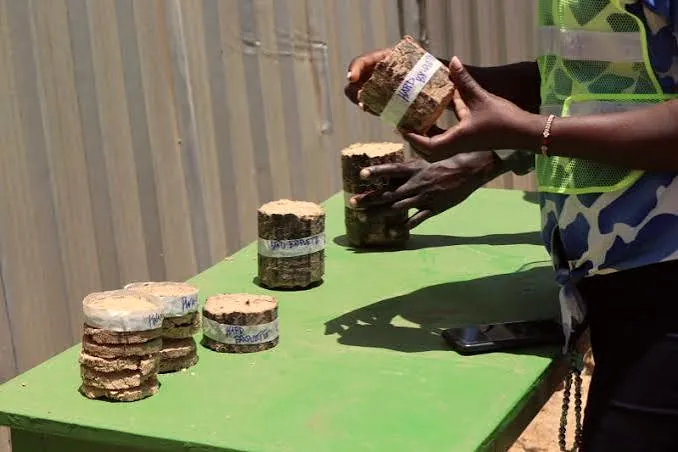
Every batch is tested before it leaves Maai Mahiu.
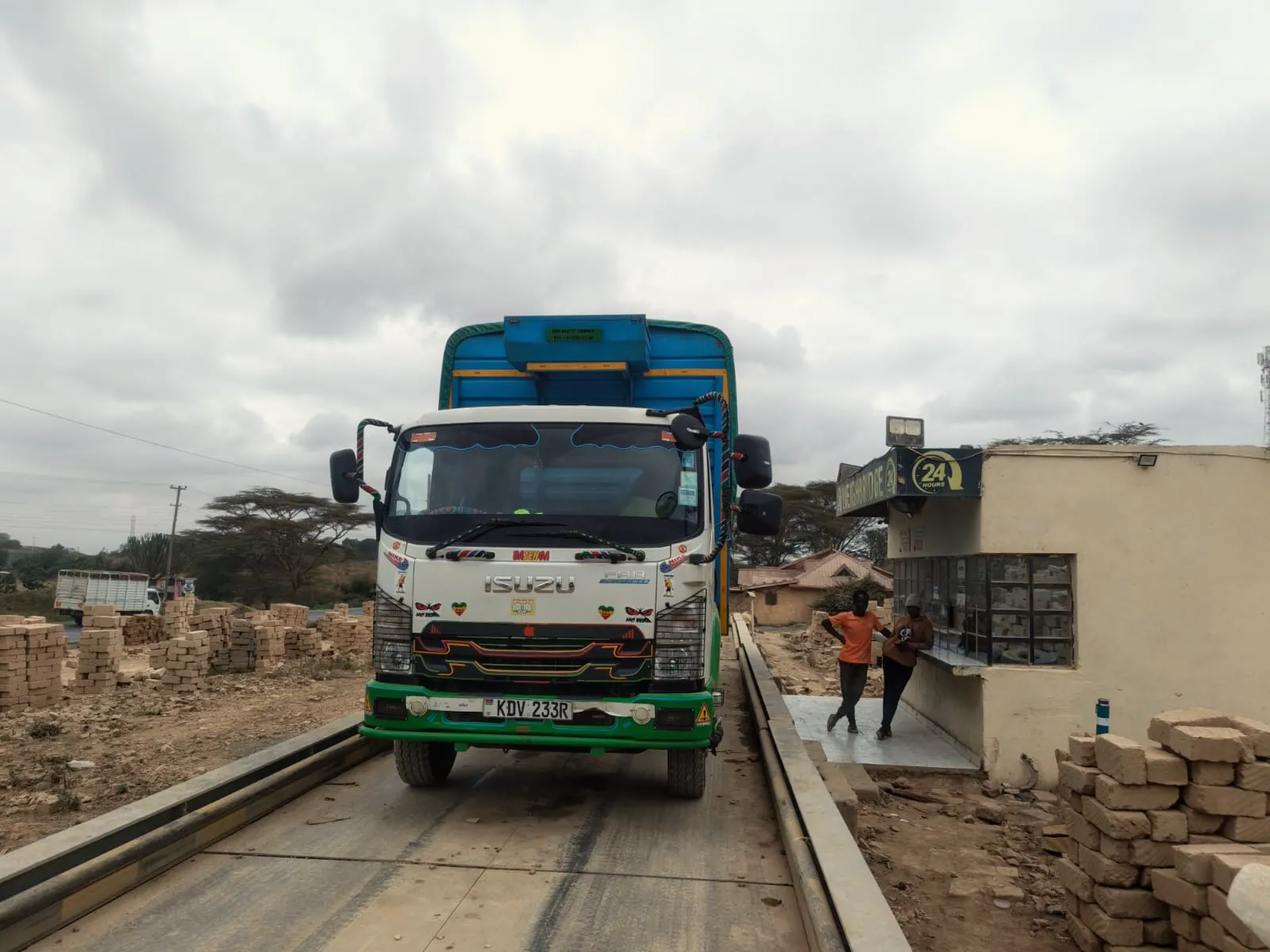
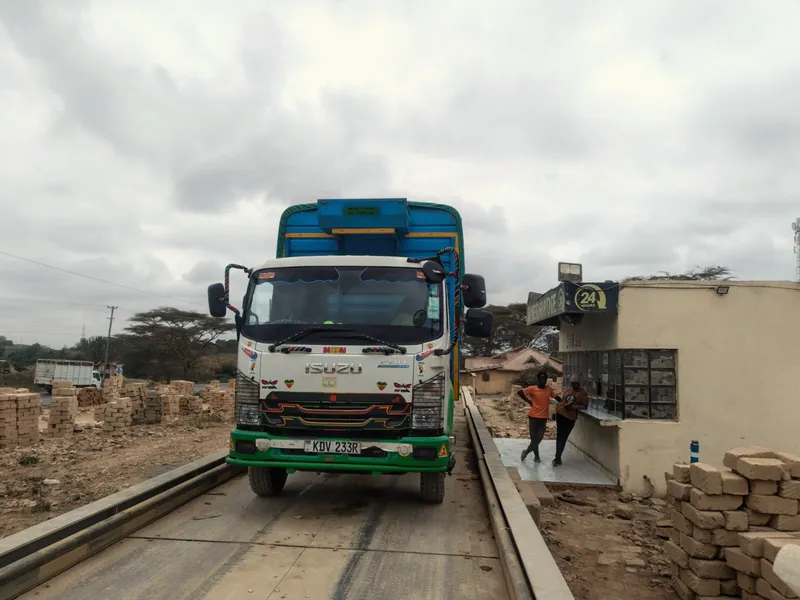
Moisture is measured on incoming sawdust and on finished briquettes, and each batch is inspected by hand before it is weighed and loaded.
See the fuel specifications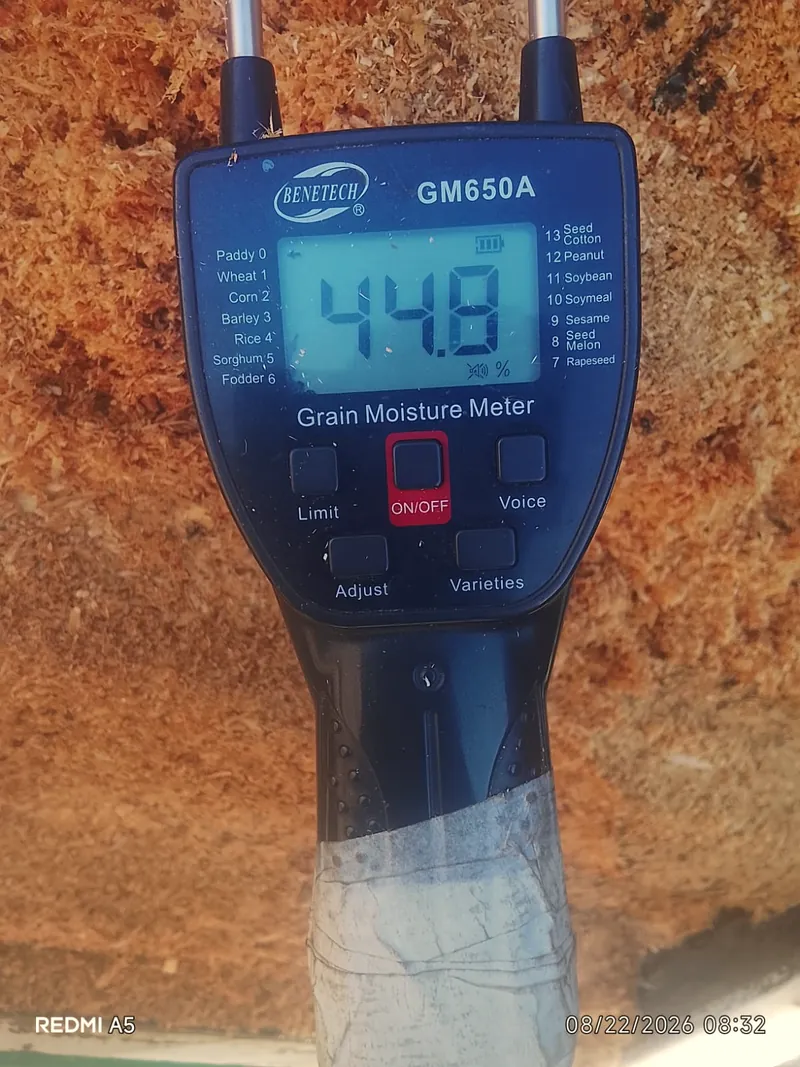
Trusting the process.
See it for yourself.
Visit our yard in Maai Mahiu, or talk to us about supplying your boilers.